
If you have the skills and interest, there is a tech role for you in Austin right now, says Tara Wyborny, Vice President of Talent Development at Dev10, Genesis10's Talent Creation program. If you want to know how to get a tech job in Austin, the panel's advice can help. Wyborny joined a virtual panel called Who's Austin Hiring, hosted by Austin Women in Technology (AWT).
Also on the panel were:
- Angela Means, Assistant Director for the City of Austin
- Kimberly Storin, Chief Marketing Officer for Zayo
- Bryan Chaney, Employer Brand Lead, Corporate Recruitment for Workrise
Heather Trumpfheller, President of AWT, moderated the discussion.
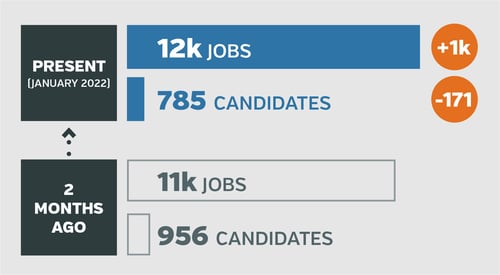
To show how tight the market is, the panel said there are 12,000 open Java Developer roles in Austin and only 785 qualified candidates to fill them.
Still, if you want your dream job in Austin, you need an edge. The panel shared these tips for tech jobs in Austin.
Spend time on your LinkedIn profile.
Your LinkedIn profile should match your resume. It should also show who you are as a person.
When you write the About section, add volunteer work and other traits that matter to you. For example, if you are a long-distance runner, you might mention that you are resilient when things get hard. Add a link to your portfolio if you have one.
A strong profile takes time, but it is worth it. It helps hiring teams see the full person, not just the job title. Chaney at Workrise agrees. He likes LinkedIn as a place to show your human side.
Learn what the leadership and culture are really like at the interview.
If you need questions to ask about company culture in interview, start by asking the hiring manager for references. Storin says leaders should be open to that request.
Means says candidates often ask about culture at the end of an interview, and she likes that. It shows real interest and helps both sides check for a good fit.
Chaney suggests follow-up questions like:
- When did you last feel great culture, and what made it stand out?
- What is different about the culture?
- How has your experience been?
- What path led you to this role?
- When was the last time you worked hard, and what did that mean to you?
If the job is not new, look up the person who left the role on LinkedIn and send them a message. Ask why they left and what their experience was like. That can help you learn the real story.
Find out how the company keeps employees in this job market.
Hiring people is only part of the job. Keeping them matters too. Ask about training, career growth, and the tools you will get to do your work.
Managers often invest in people who ask for support. Storin says she has asked for sponsorship and help with conferences and training, and good managers often say yes when the case is strong.
Trust the process - it may not be ghosting.
Ghosting means someone cuts off contact without warning or explanation. If you interview and do not hear back, that can feel like ghosting.
For many tech jobs in Austin, the process can take up to four weeks from application to offer. Wyborny says Dev10's timeline is different, but her team is clear about it. She suggests following up 2-4 weeks after your interview.
If you have reached out by several methods, more than three times in three weeks, and still hear nothing, the process may be poorly managed. But give people a little time to respond. A reply can take 2-3 days.
If you want advice on how to follow up after interview, ask about timing during the interview itself. Ask what to expect and how you should check in if you do not hear back. As Chaney says, a good recruiter follows up. A great recruiter does too.
Dev10, Genesis10's Talent Creation program, sponsored the presentation.
Q&A
Question: How important is my LinkedIn profile compared with my resume?
Answer: The panel said your LinkedIn profile is just as important as your resume, and often the first thing hiring leaders check. Make sure it matches your resume and shows who you are as a person. Add a strong About section, volunteer work, personal traits, and a portfolio link if you have one.
Question: What should I ask in an interview to understand leadership and company culture?
Answer: Ask for the hiring manager's references so you can learn how they lead. Then ask follow-up questions about culture, such as what makes it feel strong, how it differs, how their experience has been, what path led them to the role, and what hard work looks like to them. If the role is not new, you can also message the person who left it on LinkedIn.
Question: How can I learn if a company will support my growth?
Answer: Ask about training, career tools, and support for conferences or certifications. Good managers often invest when they see a strong reason. Use the interview to learn how the company helps people grow.
Question: Am I being ghosted if I do not hear back after an interview?
Answer: Not always. For many tech jobs in Austin and recruiting roles, the process can take up to four weeks from application to offer. Follow up 2-4 weeks after the interview, then wait 2-3 days for a reply. If you have reached out three or more times over three weeks without clarity, the process may be poorly handled.
Question: What does the Austin tech job market look like right now?
Answer: Demand is high. There are about 12,000 open Java Developer roles in Austin and only about 785 qualified candidates. Even with a favorable market, candidates still need to stand out with strong LinkedIn profiles, smart interview questions, and careful research.