

As the job market stays strong and workers keep changing jobs in the Great Reshuffle, people who stay in their jobs may face heavier workloads. Employers may also have trouble filling open roles.
Workers who left for more pay or more freedom may not have an easier time. Many say their new roles aren't what they expected.
Summary
Collaboration is key to reaching both personal and team goals. Good employee goal setting works best when leaders bring people in, give support, and still let them own the work. Clear talk, shared goals, and time to celebrate wins at work help teams succeed. This kind of goal setting for career development also helps people grow.
Team goals are met when the people on the team meet their own goals.
An article in Harvard Business Review offers advice that fits this idea. Amy Gallo says leaders should balance help with ownership. Linda Hill calls this 'supportive autonomy' that fits the person's skill level. In short, leaders should give support and still leave room for people to succeed.
That advice works for me.
Shared Goals
If you include employees in the goal-setting process, the goals become shared. A leader should explain why the goal matters to both the team and the person. When you can, tie the goal to career growth and future chances.
While personal goals can change based on life stage, most of us still work to take care of our families. Here is a simple example.
- A recruiter on one of our teams wants to move into business development.
- She and her manager can work backward from that goal and break it into small weekly or monthly steps.
- They will not hit every goal, but when they do get a win, we tell them to celebrate wins at work together.
- If one step is hard, they work through it together.
Keep the Main Goal in Sight
Clear targets are key to reaching individual and team goals. In my experience, the talk, planning, and work behind the goals matter more than the final result. That process drives growth.
Q&A
Question: Why is collaboration essential for goals?
Answer: The article says collaboration helps people reach both personal and team goals. It gives shared ownership, clear goals, and steady help. It also makes it easier to handle setbacks and celebrate wins as a team.
Question: What does supportive autonomy mean?
Answer: It means leaders stay involved but still give people room to act. They give vision, tools, and help based on each person's skill level. This balance helps prevent overcontrol while ensuring people aren't left without the help they need to succeed.
Question: How can leaders create shared goals?
Answer: Bring employees into the process. Link goals to company priorities and the employee's growth. Set clear targets, break them into small steps, check progress often, and celebrate wins together.
Question: What steps help employees reach career goals?
Answer: Work backward from the end goal into small steps. Match each step to current work and use regular check-ins to adjust support. For example, a recruiter who wants business development can set weekly tasks like outreach and listening in on calls.
Question: Is hitting every target necessary to grow?
Answer: No. The article says growth comes from the work of talking about goals, building them, and following through. The process matters more than the final result. Even when a milestone is missed, the lessons learned and the wins you celebrate as a team still matter.
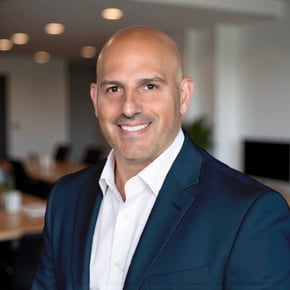
Mark rejoined Genesis10 in 2020, having previously served in senior leadership roles at both Genesis10 and SkillStorm. At SkillStorm, he led consulting services and managed services divisions nationally and launched the Cloud Workforce Solution (CWS) platform, which enabled large-scale sourcing and delivery operations for enterprise clients. Earlier, Mark played a key role in shaping Genesis10’s Domestic Outsourcing and Delivery Center strategy, working closely with senior leadership to take the concept from vision to execution.
In earlier roles, Mark served as a national account executive managing strategic relationships for one of the largest financial institutions in the U.S. He led teams across multiple U.S. markets and offshore delivery centers, overseeing complex IT staffing and consulting engagements across a range of service models including project-based solutions, fixed-bid SOW, and executive talent sourcing.
Recognized for his leadership in technology and innovation, Mark was honored by North Carolina Tech with a Rising Star award and named to the organization’s board of advisors. He is also deeply involved in his community as an advocate for Autism awareness and active supporter of Autism Speaks in Charlotte, North Carolina. He is a founding member and Vice President of the Charlotte Italian American Organization, a board member of the Enzo Melio Foundation, and a volunteer assistant coach in the Cornelius NFL-Flag Youth Football League.