
In this two-part blog series, we look at the interview process from the perspective of a senior developer. While you've interviewed successfully in the past, the process may have changed since the last time you looked for a job. In part one, we share our thoughts on what's different in how you prepare for the interview and how best to present your qualifications as a developer to a potential employer, including practical ideas on how to prepare for a senior developer interview. In part two, we will look at the importance of fitting in with the company culture and how your use of social media can help or hurt your chances of getting an offer.
Summary
Senior developer interviews have evolved beyond traditional conversations to demand thorough research and demonstrable, hands-on skills. Use LinkedIn, recent press, and industry news to tailor questions and build rapport with interviewers. Expect whiteboarding and live coding; ensure your resume reflects true proficiency and practice scenarios in your core technologies. Honesty, targeted preparation, and company research are key to standing out.
The Evolving Interview Landscape
It was a simpler time. Show up in your best suit, resume printed on thicker paper, ready to discuss your background and how your skills and experience will help your potential future employer. This was the cookie-cutter interview process that we knew. As with much of life, things change, and we, as potential candidates, must adjust. Below are trends in the interview process Genesis10 has identified and tools to help you get the offer.
Interview Prep
What’s Changed
It was never a deal breaker to walk into an interview with limited information about the company or the individuals you were interviewing with. We didn't have much information because we didn't have access to it. The Internet and social media have changed the world as we know it. Now, there's LinkedIn, Facebook, and business news readily available online. If you don't leverage these tools, you are setting yourself up to fail and make a mediocre impression at best.
How to Adjust: Leverage Your Access to Information
For anyone seeking guidance on how to research a company before an interview, start by reviewing LinkedIn profiles, recent press, and industry news to tailor your questions and conversations.
Before every meeting, I prepare notes on the person I am meeting—their professional experience, education, connections we may have, as well as recent company news. I leverage these talking points to make the conversation warmer and will say, "I did some research and saw on LinkedIn that you've worked with _________." Doing something similar is a great way to show that you are prepared and interested in the individuals and the company.
Developer Interview Processes
What’s Changed
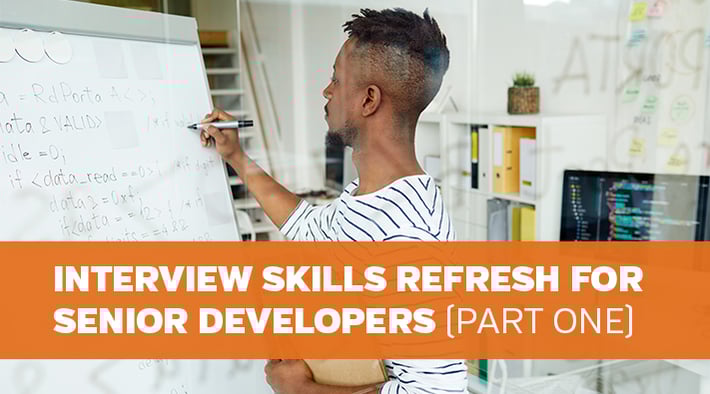
Recently, we've seen an uptick in the complexity of the interview process for developers. No longer is it enough to speak in depth about your previous experience and how you contributed to the team. Now, companies ask candidates to whiteboard how they would code or invite them to code multiple scenarios on a computer. With the rise of "bait and switch" candidates, as well as candidates embellishing their skills, companies want to make sure the candidate is who they say they are and can demonstrate the skills listed on their resume.
How to Adjust: Role-Play Whiteboarding/Coding Scenarios
Before you submit your resume to a recruiter, I encourage you to do a quick “once-over” of your resume. A few quick resume tips for software developers:
- Evaluate it honestly.
- Align your stated expertise with hands-on experience.
- Ensure examples are recent and relevant.
If you list that you have "expert knowledge" of a technology, you better have it and be able to recall how to do something on the fly. If you've used the technology for only two years, adjust your resume accordingly to accurately reflect your experience because today companies will ask you questions on it or have you take a test during the interview to demonstrate your experience.
It's better to be honest than painted into a corner when your future employer learns that you aren't who you say you are. I've seen many talented developers lose positions because they were really mid-level with a technology rather than expert. I suggest taking 30 minutes to practice coding scenarios that encompass the four top technologies developers use in the role. It will help knock your interview out of the park. And remember, prepare for the interview. Practice coding scenarios but also do your homework—research the company and the individuals that you will be meeting with.
Q&A
What’s different about senior developer interviews today compared to a few years ago?
Answer: They’ve shifted from purely conversational assessments to deeper, evidence-based evaluations. Beyond discussing your background, you’re now expected to arrive informed about the company and interviewers and to demonstrate hands-on ability through whiteboarding and live coding. Companies verify skills more rigorously to avoid “bait and switch” or embellished resumes, so targeted prep and honest self-representation are essential.
How should I research a company and my interviewers, and how do I use that research in the conversation?
Answer: Start with LinkedIn profiles, recent press, and industry news. Prepare notes on each interviewer’s experience, education, and mutual connections, plus any current company developments. Use these insights to tailor questions and build rapport—for example, referencing something you noticed on their LinkedIn. This shows you’re prepared, interested, and focused on their specific context.
Why are whiteboarding and live coding so common now, and what should I expect?
Answer: They help employers confirm you can do what your resume claims, in real time. Expect to sketch out solutions on a whiteboard and code multiple scenarios on a computer. You should be ready to recall fundamentals and apply them on the fly, especially in the core technologies listed for the role. Practicing realistic scenarios beforehand significantly improves performance and confidence.
How should I adjust my resume and skills narrative to avoid being “caught out” in the interview?
Answer: Do an honest “once-over”: align stated expertise with actual hands-on experience, and ensure your examples are recent and relevant. Don’t label yourself an expert unless you can demonstrate it under pressure; if you’ve only used a technology for about two years, present it accordingly. Honesty prevents being cornered later and protects otherwise strong candidates from losing offers due to overstatement.
What’s a practical, last-mile prep routine before the interview?
Answer: Spend about 30 minutes practicing coding scenarios across the top four technologies central to the role, then review your notes on the company and interviewers. This combination—targeted skills rehearsal plus tailored research—helps you stand out by proving both technical depth and genuine interest in the organization.